
Should You Repair or Replace Your HVAC Unit?
Deciding whether to repair or replace a home heating and cooling system is a major financial decision for property owners. An HVAC unit controls indoor air quality, regulates seasonal temperatures, and accounts for a substantial portion of monthly utility expenses. When an aging system malfunctions, homeowners must weigh short-term repair bills against the long-term efficiency of a full equipment replacement. Evaluating system age, repair history, efficiency metrics, and overall performance allows property owners to make informed, cost-effective decisions. Partnering with a trusted local HVAC company ensures your climate control system receives accurate diagnostics and dependable service.
Assessing Equipment Age and Mechanical Lifespan
Determining the age and physical condition of your heating and cooling equipment is the initial step in evaluating system viability. Standard residential air conditioners and heat pumps generally feature a functional lifespan of twelve to fifteen years, whereas well-maintained gas furnaces can operate effectively for up to twenty years. As mechanical components age, internal wear accelerates, leading to frequent breakdowns and reduced operational efficiency.
Tracking performance trends over time highlights gradual system failure. An aging unit often manifests issues through rising electrical bills, prolonged running cycles, and difficulty maintaining target indoor temperatures. Furthermore, older air conditioning systems frequently utilize obsolete refrigerants like R-22 Freon, which face severe regulatory phase-outs and steep servicing costs. According to This Old House, three million HVAC units are replaced annually. When an older system exhibits systemic wear, investing capital into a modern replacement is generally more economical than patching aging components.
Regular preventative maintenance performed by a qualified local HVAC company can extend mechanical lifespan and optimize system airflow. Routine filter changes, coil cleanings, and electrical inspections prevent minor component strain from escalating into major motor or compressor failures. However, when an aging unit reaches the end of its design life, even diligent maintenance cannot offset natural mechanical decline.
Analyzing Financials: Repair Costs vs. Replacement Value
Financial evaluation requires comparing immediate repair estimates against the total cost of purchasing a new, energy-efficient system. Minor component replacements—such as contactors, capacitors, or blower belts—are relatively inexpensive and worth executing on mid-life units. Conversely, major failures involving cracked heat exchangers, burnt-out compressors, or leaking evaporator coils carry high repair costs that often make replacement the smarter financial choice.
A practical guideline used by industry technicians is the "Rule of 5,000." To apply this rule, multiply the age of the HVAC unit in years by the proposed repair cost in dollars. If the resulting product exceeds 5,000, replacing the equipment is recommended. For instance, a $600 repair on a twelve-year-old system equals 7,200, indicating that capital is better spent toward new equipment rather than repairing an aging unit.
Evaluating long-term operational expenses further clarifies the financial picture. Modern high-efficiency systems consume significantly less electricity, generating monthly utility savings that help offset initial installation costs. Additionally, new installations include comprehensive manufacturer warranties that protect against unexpected repair bills for ten years or more. Consulting a licensed local HVAC company provides transparent cost comparisons and financing options tailored to your household budget.
Energy Efficiency and Seasonal Ratings
Energy efficiency plays a central role in deciding whether to repair or upgrade your climate control equipment. HVAC efficiency is measured using standardized metrics, such as Seasonal Energy Efficiency Ratio 2 (SEER2) for cooling and Annual Fuel Utilization Efficiency (AFUE) for gas heating. Older residential systems often carry low SEER ratings of 10 to 12, whereas modern high-efficiency units achieve ratings ranging from 16 to 25 SEER2.
Upgrading to a high-efficiency system delivers immediate utility savings and environmental benefits. Advanced features—such as variable-speed blower motors, two-stage compressors, and smart thermostat integration—allow modern units to adjust output precisely to current weather conditions. This continuous modulation minimizes energy spikes, maintains steady humidity levels, and lowers overall carbon emissions.
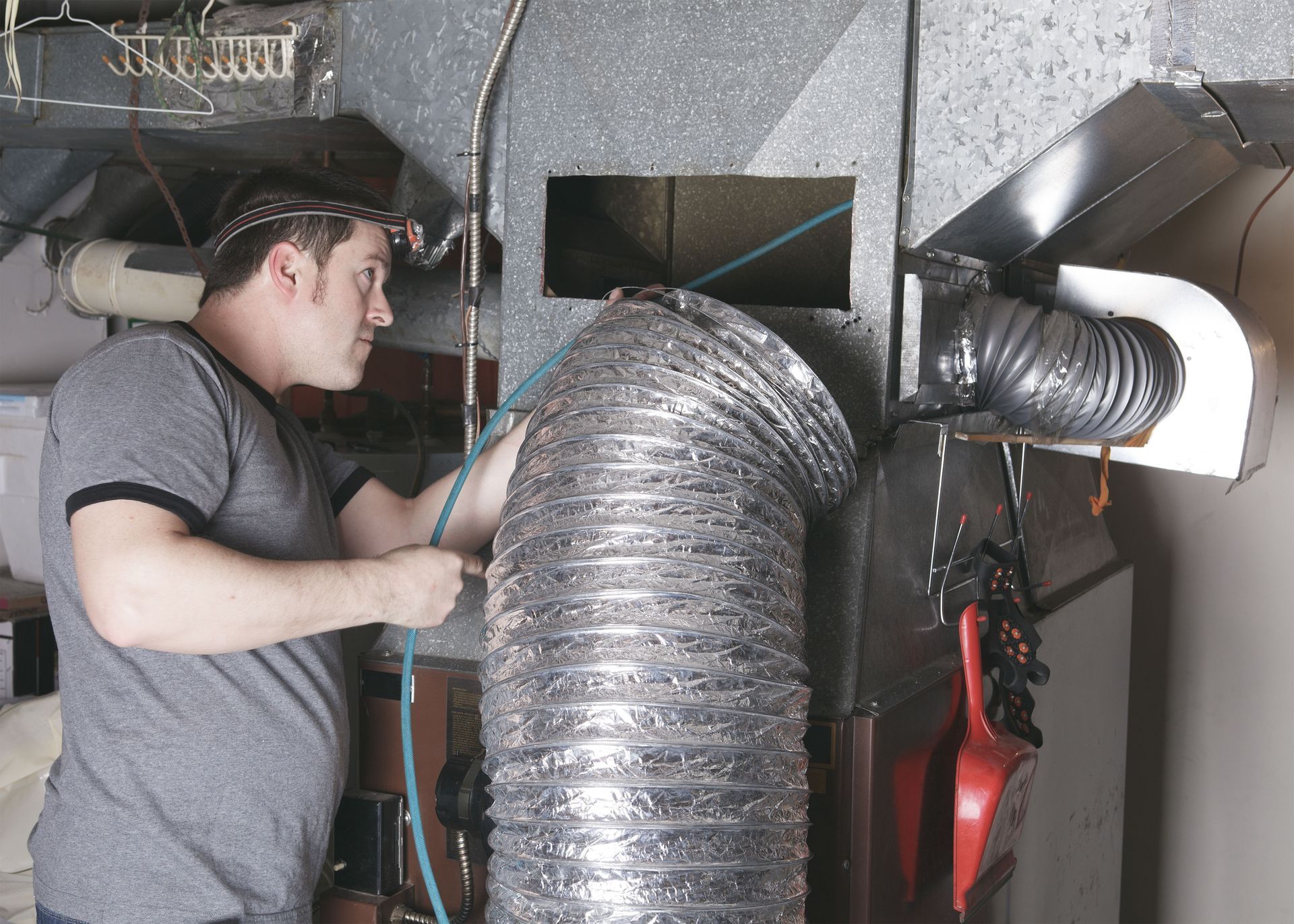
Conducting a professional home energy audit helps identify insulation gaps, ductwork leaks, and thermal losses that impact system sizing. Installing a high-efficiency unit sized accurately for your home ensures optimal climate regulation and maximum operational savings. Working with a knowledgeable local HVAC company ensures your new system meets regional energy standards and qualifies for available utility rebates.
Identifying Symptoms of Systemic Failure
Recognizing warning signs of imminent HVAC failure allows homeowners to plan for replacement before a total breakdown occurs during peak summer or winter weather. Common operational indicators include persistent short-cycling, erratic thermostat responses, and weak airflow through supply registers. Ignoring these subtle warning signs often leads to unexpected emergency service calls during severe weather conditions.
Unusual mechanical noises offer direct evidence of internal component damage. Squealing, grinding, clanking, or banging sounds typically indicate failing motor bearings, loose blower wheels, or severe compressor strain. Similarly, persistent musty odors or burning smells signal electrical faults or biological growth within the ductwork, requiring immediate professional inspection.
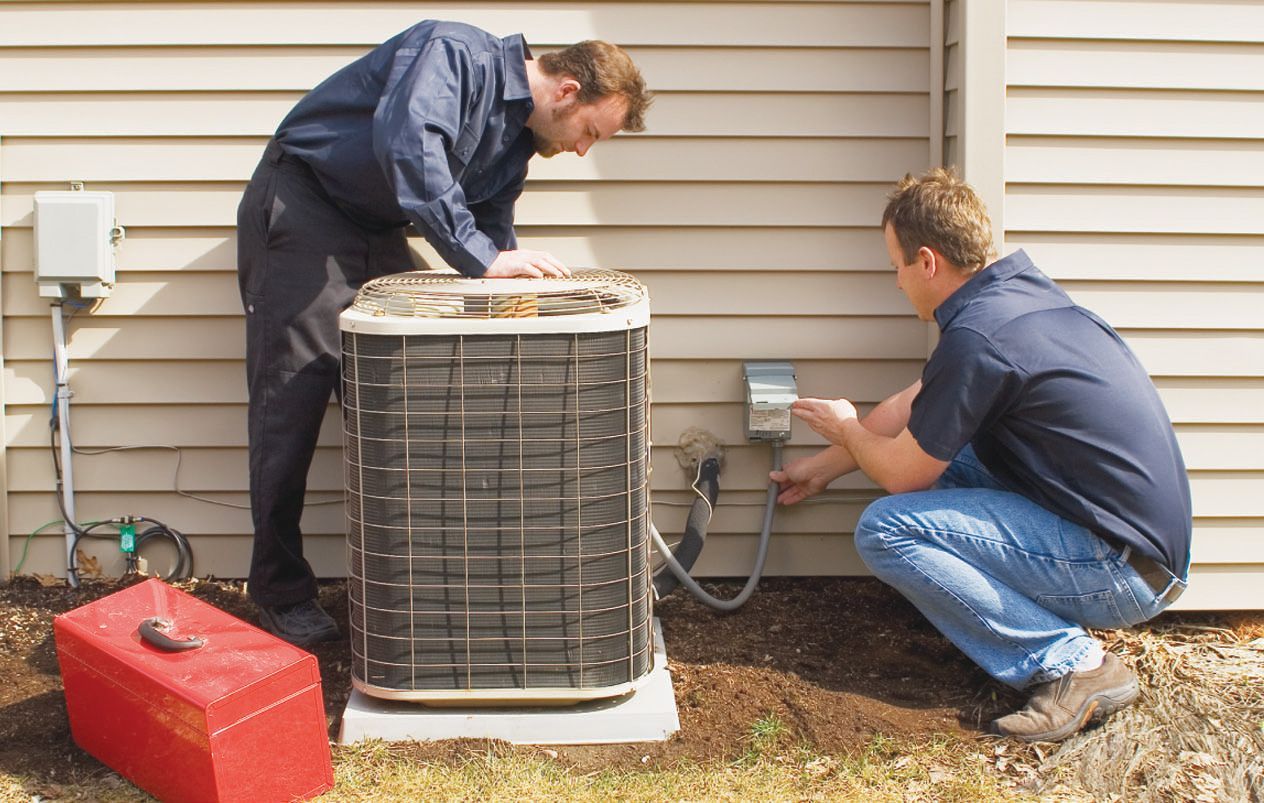
Inconsistent temperatures across different rooms and sudden, unexplained spikes in utility bills further point to compromised system performance. When an HVAC unit struggles to reach set temperatures despite continuous operation, critical components are operating under severe mechanical stress. Scheduling a diagnostic evaluation with a certified local HVAC company identifies whether targeted repairs can restore performance or if a complete system upgrade is warranted.
Home Comfort, Air Quality, and Property Value
Beyond immediate financial calculations, your HVAC system directly impacts indoor air quality, personal comfort, and overall property value. An aging, inefficient system often fails to regulate indoor humidity effectively, creating environments prone to dust mite accumulation, mold growth, and airborne allergen circulation. Modern replacement systems incorporate advanced filtration and humidity controls that improve indoor air quality for allergy sufferers.
Upgrading your climate control infrastructure enhances overall property value and home marketability. Prospective home buyers view an updated, energy-efficient HVAC system as a major selling point that eliminates immediate capital expenditure after purchase. Conversely, an outdated or malfunctioning unit can complicate real estate inspections and lower final purchase offers.
Selecting the right replacement option involves evaluating central split systems, ductless mini-splits, and dual-fuel heat pumps based on your property's layout. A professional local HVAC company evaluates your home's structural design, existing ductwork, and heating requirements to recommend the ideal equipment configuration. Investing in modern climate control technology guarantees reliable performance, healthier indoor air, and enhanced property value.
Seasonal Maintenance and Preventive Care Strategies
Implementing a structured preventive maintenance schedule is essential for maximizing the operational lifespan and energy efficiency of any heating and cooling system. Routine seasonal inspections allow technicians to identify minor mechanical wear, electrical flaws, or airflow restrictions before they escalate into major system failures or costly emergency service calls. By addressing minor maintenance needs proactively twice a year—typically in spring for cooling and autumn for heating—homeowners protect their financial investment and preserve peak system performance.
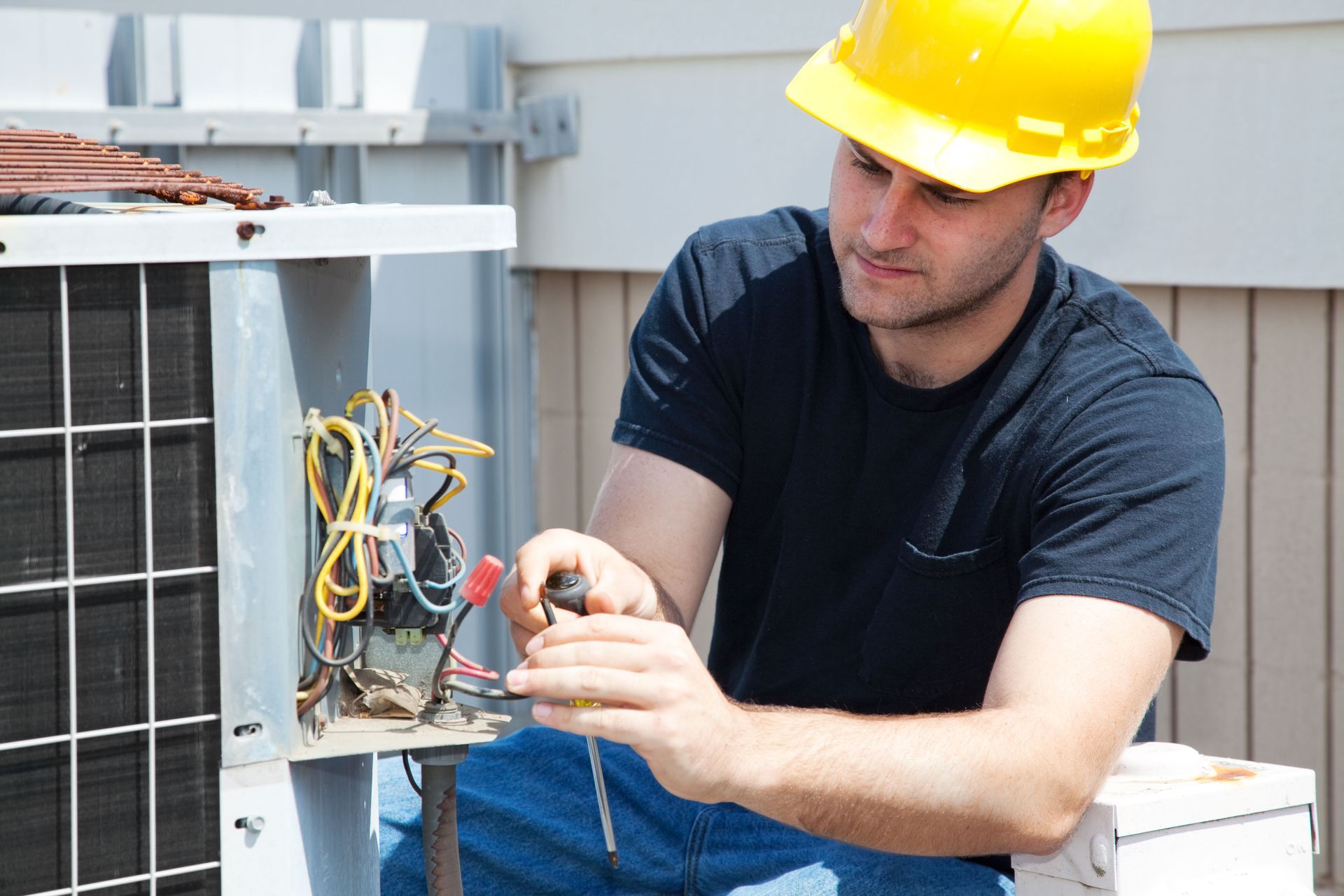
A comprehensive seasonal inspection covers both the internal electrical circuitry and external mechanical components. Certified technicians clean condenser and evaporator coils, clear condensate drain lines to prevent interior water damage, check refrigerant charge levels, and calibrate thermostat controls. Additionally, inspecting electrical relays, tightening wiring terminals, and lubricating blower motor bearings reduce friction and prevent component overheating. Replacing air filters every one to three months remains a critical task that homeowners can perform independently to maintain unobstructed airflow and protect internal coils from heavy dust accumulation.
Deciding whether to repair or replace your HVAC unit requires a balanced evaluation of equipment age, repair costs, energy efficiency, and home comfort needs. While minor repairs prolong system life, investing in a modern, high-efficiency replacement offers long-term financial savings, improved indoor air quality, and dependable climate control. Evaluating your equipment proactively prevents emergency breakdowns during severe weather. Taking action before a total breakdown occurs ensures uninterrupted heating and cooling while giving you the time to select the ideal system for your specific budget and home layout. Modernized climate control systems also enhance overall property marketability and significantly reduce monthly utility expenses. For expert system diagnostics, professional equipment sizing, and reliable installation services, trust the experienced team at Patriot Heating & Cooling, LLC to keep your home comfortable year-round.

Share On: