
How to Prepare Your HVAC System for Winter
Preparing your HVAC system for winter is one of the most important steps homeowners can take to maintain comfort, efficiency, and reliability during colder months. As temperatures drop, heating systems are placed under increased demand, making it essential to ensure everything is functioning properly before peak usage begins. Without proper preparation, small issues can quickly turn into costly repairs or unexpected breakdowns. Taking time to evaluate your system early can help you avoid unnecessary stress when temperatures are at their lowest.
Seasonal changes bring new challenges for HVAC systems, especially when transitioning from cooling to heating. Components that have remained inactive for months must perform efficiently under continuous use. This shift highlights the importance of proactive care and regular maintenance. Many homeowners rely on professional heating services to ensure their systems are ready to handle winter conditions. Being proactive also allows for better planning and helps reduce the likelihood of emergency service calls during peak winter months.
According to This Old House, most HVAC systems can last up to 20 years when they receive proper maintenance and regular care. This underscores the value of preparing your system ahead of winter, as consistent upkeep helps extend its lifespan and maintain performance. We’ve seen how early preparation can prevent disruptions and improve efficiency.
Inspecting System Components
Checking Overall System Condition
A thorough inspection of your HVAC system helps identify any existing issues before winter begins. Evaluating components such as the furnace, heat exchanger, and connections ensures everything is in proper working order. Addressing concerns early reduces the likelihood of unexpected failures during colder months. This step also provides an opportunity to confirm that all safety features are functioning as intended.
Identifying Wear and Tear
Over time, HVAC systems experience natural wear. Identifying worn components allows for timely adjustments that support continued performance. This proactive approach helps prevent minor issues from becoming larger problems. Catching these concerns early can also help reduce repair costs and improve overall system efficiency.
Examining Electrical Connections
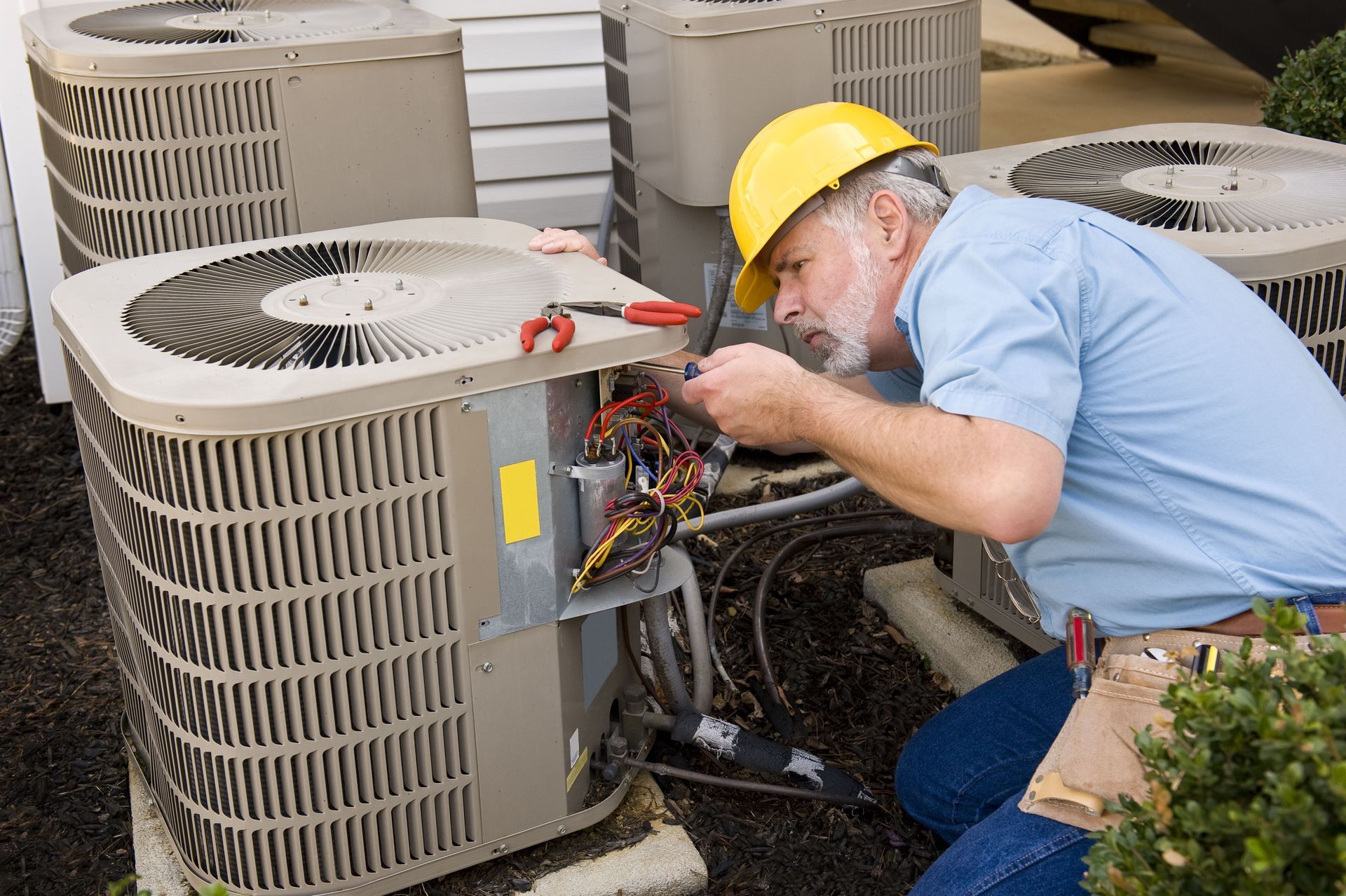
Electrical connections play a critical role in system operation. Ensuring these connections are secure helps maintain consistent performance and reduces the risk of malfunctions. Loose or damaged connections can lead to interruptions in heating when it is needed most.
Supporting Reliable Operation
Regular inspections provide confidence that the system will operate reliably when needed most. Professional heating services can help ensure all components are properly evaluated and functioning efficiently. This level of preparation supports consistent performance throughout the entire winter season.
Replacing Air Filters
Improving Airflow Efficiency
Clean air filters are essential for maintaining proper airflow. When filters become clogged, they restrict air movement and reduce system efficiency. Replacing filters helps ensure consistent performance. Improved airflow also supports better circulation throughout the home.
Enhancing Indoor Air Quality
Air filters also play a role in maintaining indoor air quality. Removing dust, allergens, and debris contributes to a healthier living environment throughout the winter season. This is especially important when windows remain closed for extended periods.
Reducing System Strain
Restricted airflow forces the system to work harder, increasing wear on components. Clean filters help reduce this strain and support efficient operation. This can also help minimize unexpected maintenance needs during colder months.
Supporting Consistent Heating
Proper airflow ensures even heat distribution throughout the home. Heating services often emphasize filter maintenance as a simple yet effective way to improve performance. This consistency enhances overall comfort.
Testing Thermostat Performance
Ensuring Accurate Temperature Control
The thermostat serves as the control center for your HVAC system. Testing its accuracy ensures that the system responds correctly to temperature settings. This helps maintain a comfortable indoor environment. Accurate readings prevent unnecessary energy usage.
Verifying System Responsiveness
A properly functioning thermostat communicates effectively with the heating system. Testing responsiveness helps confirm that adjustments are carried out without delay. Quick responses are essential during sudden temperature changes.
Optimizing Energy Usage
Accurate temperature control contributes to better energy efficiency. When the system operates as intended, it uses energy more effectively and avoids unnecessary consumption. This helps reduce overall utility costs.
Supporting Comfort Consistency
Consistent thermostat performance helps maintain steady indoor temperatures. Professional heating services can evaluate thermostat function to ensure optimal results. This leads to a more predictable and comfortable indoor environment.
Testing thermostat performance helps ensure reliable and efficient heating throughout the season.
Cleaning Heating Components
Removing Dust and Debris
Dust and debris can accumulate within HVAC systems over time. Cleaning these components helps improve airflow and system efficiency. It also reduces the risk of blockages that could impact performance. Cleaner systems tend to operate more smoothly overall.
Improving System Efficiency
Clean components allow the system to operate more smoothly. This contributes to improved efficiency and reduced energy consumption during the winter months. Efficient systems are better equipped to handle continuous use.
Enhancing Heat Output
When heating components are clean, they can produce and distribute heat more effectively. This leads to a more comfortable indoor environment. Improved output helps maintain consistent warmth throughout the home.
Supporting Long-Term Performance
Regular cleaning helps extend the lifespan of HVAC systems by reducing wear and maintaining proper function. Heating services often include cleaning as part of seasonal maintenance. This contributes to long-term reliability.
Checking Ductwork Condition
Inspecting for Air Leaks
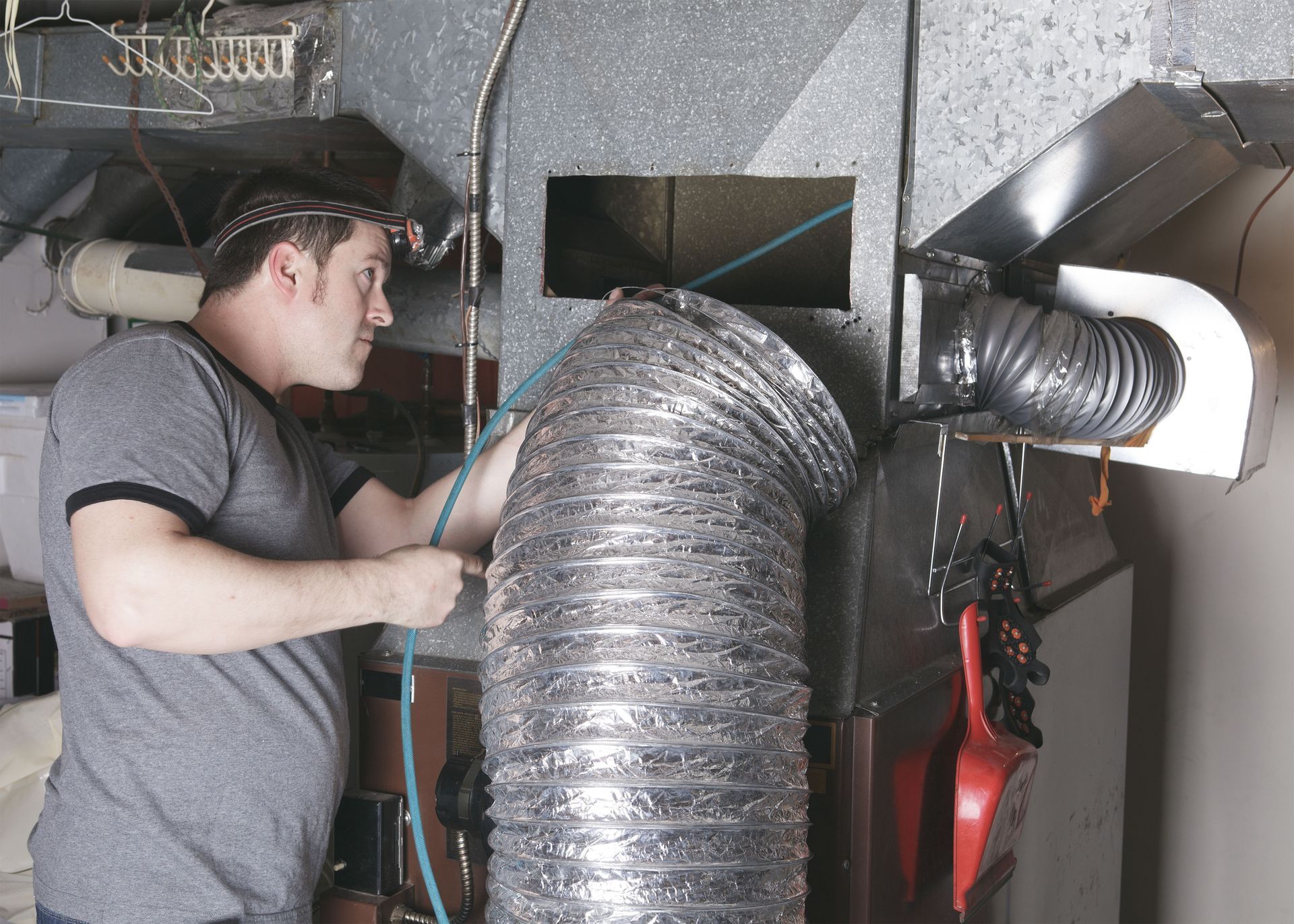
Ductwork plays a vital role in distributing heated air throughout the home. Leaks can reduce efficiency by allowing warm air to escape before reaching its destination. Identifying these leaks helps improve system performance. Sealing these areas helps retain heat more effectively.
Ensuring Proper Airflow
Well-maintained ductwork supports consistent airflow, ensuring that all areas of the home receive adequate heating. This contributes to a more balanced indoor environment. Even airflow improves comfort in every room.
Reducing Energy Loss
Air leaks and blockages within ducts can lead to energy loss. Addressing these issues helps maintain efficiency and reduces unnecessary energy consumption. This improvement supports overall system performance.
Supporting System Efficiency
Efficient ductwork allows the HVAC system to operate more effectively. Heating services can help evaluate duct conditions and recommend necessary improvements. Proper airflow enhances system consistency.
Scheduling Professional Maintenance
Identifying Potential Issues Early
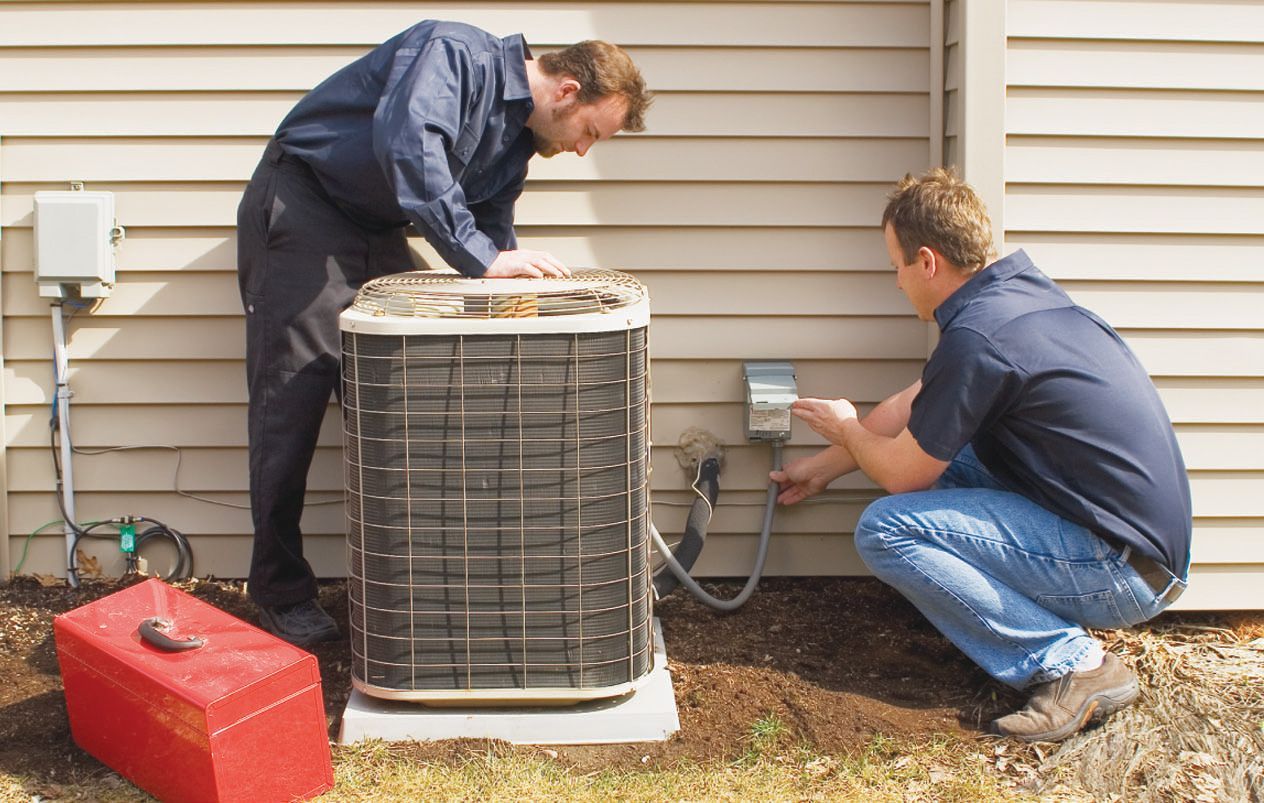
Professional maintenance helps identify potential problems before they escalate. Early detection allows for timely adjustments that support reliable system operation. Preventive care reduces the likelihood of major disruptions.
Optimizing System Performance
Regular maintenance ensures that all components are functioning at their best. This optimization contributes to improved efficiency and consistent heating. Well-maintained systems perform more reliably.
Extending System Lifespan
Consistent care helps prolong the lifespan of HVAC systems. By addressing wear and maintaining proper function, homeowners can maximize their investment. Long-term maintenance helps protect system value.
Ensuring Winter Readiness
Scheduling maintenance before winter ensures that the system is fully prepared for increased demand. Heating services provide the expertise needed to support reliable performance during colder months. This preparation helps reduce unexpected service needs.
Professional maintenance is one of the most effective ways to ensure your HVAC system is ready for winter conditions.
Preparing your HVAC system for winter is essential for maintaining comfort, efficiency, and reliability. From inspecting components to replacing filters and scheduling maintenance, each step plays a role in supporting system performance. Taking a proactive approach helps reduce the risk of unexpected issues and ensures consistent heating throughout the season. Consistent attention to these areas can make a noticeable difference in system performance.
By investing in regular upkeep and working with experienced professionals, homeowners can extend the life of their systems and improve overall efficiency. Proper preparation not only enhances comfort but also supports long-term performance and cost savings. These efforts contribute to a more dependable and efficient home environment.
If you’re ready to prepare your system for the colder months, contact Patriot Heating & Cooling, LLC today to learn how professional heating services can help keep your home comfortable and efficient all winter long.

Share On: